No. The simulation introduces alliance concepts in an accessible way.

Strategic Alliances Simulation
In this hands-on Strategic Alliances Simulation, participants act as corporate leaders forging partnerships - evaluating strategic fit, negotiating terms, and managing collaboration challenges to achieve growth, innovation, and long-term value creation.

Strategic Alliances Simulation Overview
Participants step into the roles of executives and managers responsible for identifying, structuring, and managing strategic alliances. Each round presents challenges such as partner selection, negotiation of terms, performance alignment, or alliance breakdown.
They must balance collaboration and self-interest, navigating cultural differences, governance structures, and evolving partner objectives. The simulation highlights how alliances can accelerate growth, share risk, and unlock innovation - but also create conflict.
This simulation is ideal for MBA programs, corporate training, and executive education. It bridges strategy, negotiation, and relationship management, helping participants understand why alliances succeed or fail in practice.

Strategic Alliances Simulation Concepts
Participants work through realistic scenarios, which can be customized to emphasize or exclude specific topics depending on the learning goals. This modular structure allows the simulation to be tailored to any type of session. Key concepts include:
- Strategic rationale for alliances
- Partner selection and due diligence
- Governance and decision-making frameworks
- Risk-sharing and value creation
- Negotiating alliance terms and contracts
- Cultural alignment and trust-building
- Measuring alliance performance
- Conflict resolution and re-negotiation
- Managing multi-party alliances and ecosystems
- Exit strategies and lessons learned

Gameflow
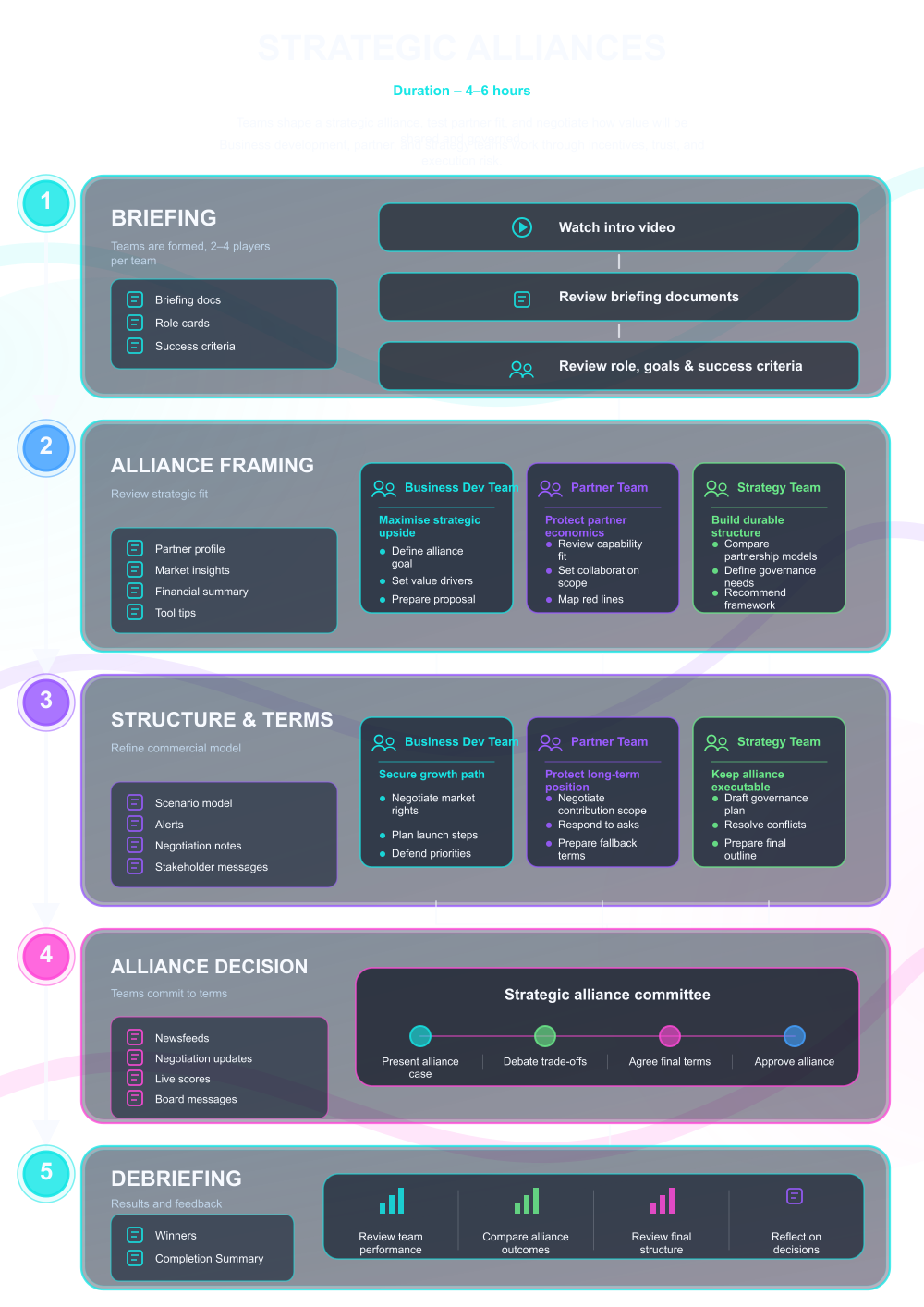

What Participants Do
In this simulation, participants act as executives managing strategic alliances. They:
- Assess strategic objectives and identify potential partners
- Negotiate alliance structures, governance, and value-sharing terms
- Respond to conflicts, cultural differences, and shifting priorities
- Communicate alliance progress to boards and stakeholders
- Make adjustments when alliances face operational or strategic challenges
- Reflect on lessons to improve future alliance management

Learning Objectives
By the end of the simulation, participants will be able to:
- Understand the strategic drivers of alliances
- Evaluate partner fit and long-term potential
- Negotiate sustainable and balanced alliance agreements
- Manage trust, culture, and communication in partnerships
- Monitor and measure alliance performance effectively
- Resolve conflicts and adapt to shifting circumstances
- Recognize risks of dependency or misalignment
- Communicate alliance strategies to stakeholders
- Balance collaboration with competitive pressures
- Design exit and contingency strategies to protect value
The simulation’s flexible structure ensures that these objectives can be calibrated to match the depth, duration, and focus areas of each program, whether in higher education or corporate learning.
How the Strategic Alliances Simulation Works
The simulation can be run individually or in teams across academic and corporate settings. Each cycle mirrors the lifecycle of an alliance.
1. Receive a Scenario or Brief: Participants are given a business challenge requiring an alliance to achieve growth or innovation.
2. Analyse the Situation: They review partner options, industry data, and strategic objectives.
3. Negotiate Terms: Participants negotiate alliance structures, governance, and financial arrangements.
4. Collaborate Across Roles: Teams role-play as different companies or stakeholders, debating and aligning objectives.
5. Manage the Alliance: They respond to challenges like cultural misalignment, performance disputes, or shifting strategies.
6. Review and Reflect: Feedback highlights alliance performance, stakeholder reactions, and long-term sustainability. Participants refine strategies across multiple rounds.
Frequently Asked Questions
Assessment
Assessment can be tailored to focus on negotiation, collaboration, or strategic alignment. Participants may be evaluated on:
- Effectiveness in partner evaluation and selection
- Quality of negotiation and alliance structures
- Communication clarity with stakeholders
- Responsiveness to conflicts and evolving challenges
- Collaboration and peer/self-assessment in team-based scenarios
You can also include memo writing and debrief presentations as part of the assessment structure. Additionally, you can also add a built-in peer and self-assessment tool to see how participants rate themselves. This flexibility allows the simulation to be easily integrated by professors as graded courses at universities and by HR at assessment centres at companies.