This simulation is ideal for MBA students, Masters in Finance candidates, advanced undergraduates, and professionals seeking to understand or transition into investment banking, corporate development, or private equity.

Sell Side Simulation
This simulation immerses participants in the competitive arena of investment banking, where advising clients and executing complex transactions under pressure is paramount.

Sell Side Simulation Overview
The Sell Side Simulation is a dynamic, multiplayer experience crafted by former investment bankers from top-tier institutions. Participants step into the role of analysts and associates at a leading investment bank, tasked with securing and executing mandates in a highly competitive market.
They will navigate the end-to-end process of sell-side advisory—from initial pitch preparation and client meetings to deal structuring, valuation, and negotiation. The simulation replicates the intense pace and multidimensional challenges of real banking floors, where technical rigor, strategic insight, and persuasive communication must converge to win business and deliver for clients.
In the high-stakes world of finance, sell-side professionals are the architects of capital markets. This simulation is designed for university finance programs, MBA courses, and corporate training, providing an unparalleled, risk-free environment to develop the core competencies of a sell-side banker.

Sell Side Simulation Concepts
Participants work through realistic scenarios, which can be customized to emphasize or exclude specific topics depending on the learning goals. This modular structure allows the simulation to be tailored to any type of session. Key concepts include:
- Pitch Book Development and Client Pitches
- Company Valuation
- Financial Modeling and Scenario Analysis
- Capital Markets Strategy
- M&A Sell-Side Process
- Leveraged Buyout Modeling
- Due Diligence Management
- Deal Negotiation and Structuring
- Stakeholder Management
- Regulatory and Compliance Considerations

Gameflow
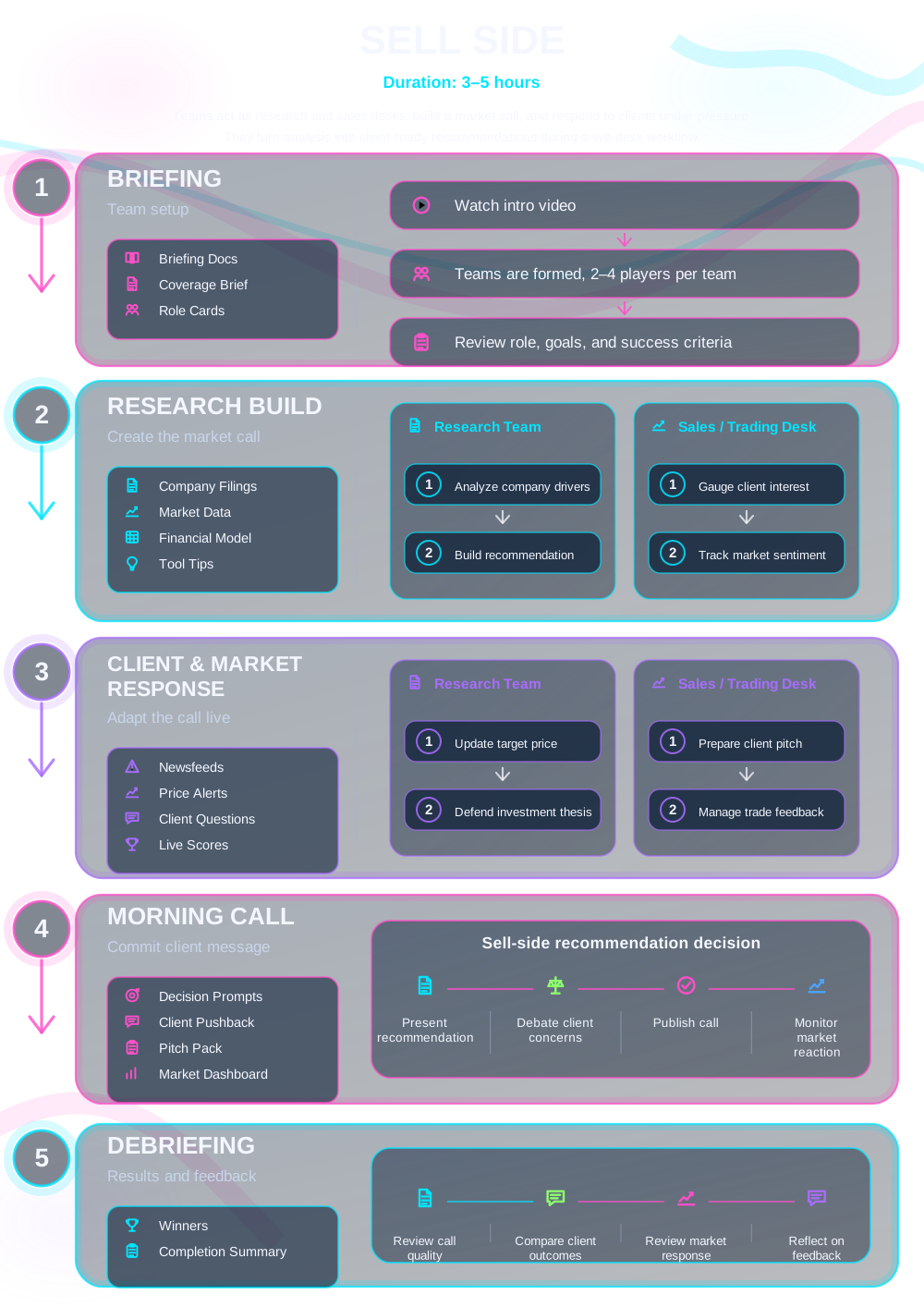

What Participants Do
In the simulation, participants will:
- Analyze potential client companies and market opportunities to identify sell-side mandates.
- Develop a winning pitch book and deliver a persuasive client presentation to secure an advisory role.
- Conduct detailed company valuation using multiple methodologies to advise on pricing strategy.
- Build and stress-test financial models for M&A or capital raising transactions.
- Manage a competitive sale process or capital raising timeline.
- Negotiate key financial and legal terms with potential buyers or investors.
- Prepare and present final recommendation memos to a simulated "Board of Directors".
- Reflect on strategy and adapt their approach based on market feedback and competitive moves.

Learning Objectives
By the end of the simulation, participants will be able to:
- Understand the roles, responsibilities, and processes of a sell-side investment bank.
- Construct professional, client-ready pitch books and valuation analyses.
- Apply core financial modeling techniques to real-world sell-side scenarios.
- Articulate the strategic rationale and financial implications of a transaction.
- Navigate the key stages of an M&A sell-side process or a capital raising deal.
- Develop effective negotiation and persuasion skills in a deal context.
- Manage multiple priorities and stakeholders under time pressure.
- Synthesize complex financial information into clear, actionable insights for clients.
How the Sell Side Simulation Works
This simulation can be run individually or in teams in academic or corporate contexts. Each cycle represents a stage of getting through a pressing financial situation.
1. Receive the Mandate Brief Teams are assigned to a client company seeking to sell itself or raise capital.
** 2. Analyze and Plan** Teams conduct market research, financial analysis, and competitor assessment to formulate their strategy.
3. Make Decisions Teams decide on valuation ranges, target buyer/investor lists, process structure, and opening terms.
4. Pitch and Negotiate Teams present their strategy to the "client" (simulated by the platform or facilitator) and later negotiate with simulated buy-side teams or the system itself.
5. Execute the Transaction Teams finalize models, manage due diligence queries, and adjust terms based on simulated market developments.
6. Review and Reflect Each round concludes with detailed feedback on financial outcomes, client satisfaction, and competitive ranking, allowing teams to refine their approach.
Frequently Asked Questions
Assessment
Assessment of participant performance can be tailored according to the host institution’s objectives (business school, corporate training, assessment centre). Typical assessment criteria include:
- Accuracy of valuations, financial models, and the strategic soundness of recommendations.
- Quality of deal terms achieved (e.g., sale premium, financing cost) and adherence to process.
- Persuasiveness and clarity of pitch books, presentations, and client updates.
- Ability to adapt strategy based on new market information and competitive dynamics.
- Effective division of roles and cohesive team performance.