No. The simulation includes onboarding for all major commodity types, pricing mechanisms, and trading instruments.

Commodities Simulation
Students step into the volatile world of commodities trading - balancing supply shocks, geopolitical risk, and pricing strategies - in our Commodities Simulation.

Commodities Simulation Overview
The Commodities Simulation puts students in the role of commodity traders, analysts, or procurement leads navigating real-time price fluctuations and operational constraints across global markets.
Developed by professionals in trading, supply chain, and risk management, the simulation immerses students in the economic and geopolitical forces driving commodity markets. They must buy, sell, hedge, and negotiate contracts for physical or financial delivery - all while responding to evolving market data, weather events, and policy changes.
This simulation is ideal for finance, supply chain, or energy-focused courses seeking to explore real-world dynamics in sectors such as oil, metals, agriculture, and energy.

Commodities Simulation Concepts
Students gain practical experience with the forces that shape commodity markets, including:
- Commodity Types: Energy, metals, agriculture, and softs
- Spot vs Futures Markets: Physical delivery vs financial settlement
- Supply and Demand Dynamics: Seasonal effects, geopolitical tensions, and inventory cycles
- Price Volatility: Natural disasters, trade embargoes, and currency shifts
- Hedging Strategies: Using futures, forwards, and options to manage price risk
- Logistics and Procurement: Storage costs, transport timing, and quality risk
- Market Participants: Producers, consumers, speculators, and arbitrageurs

Gameflow
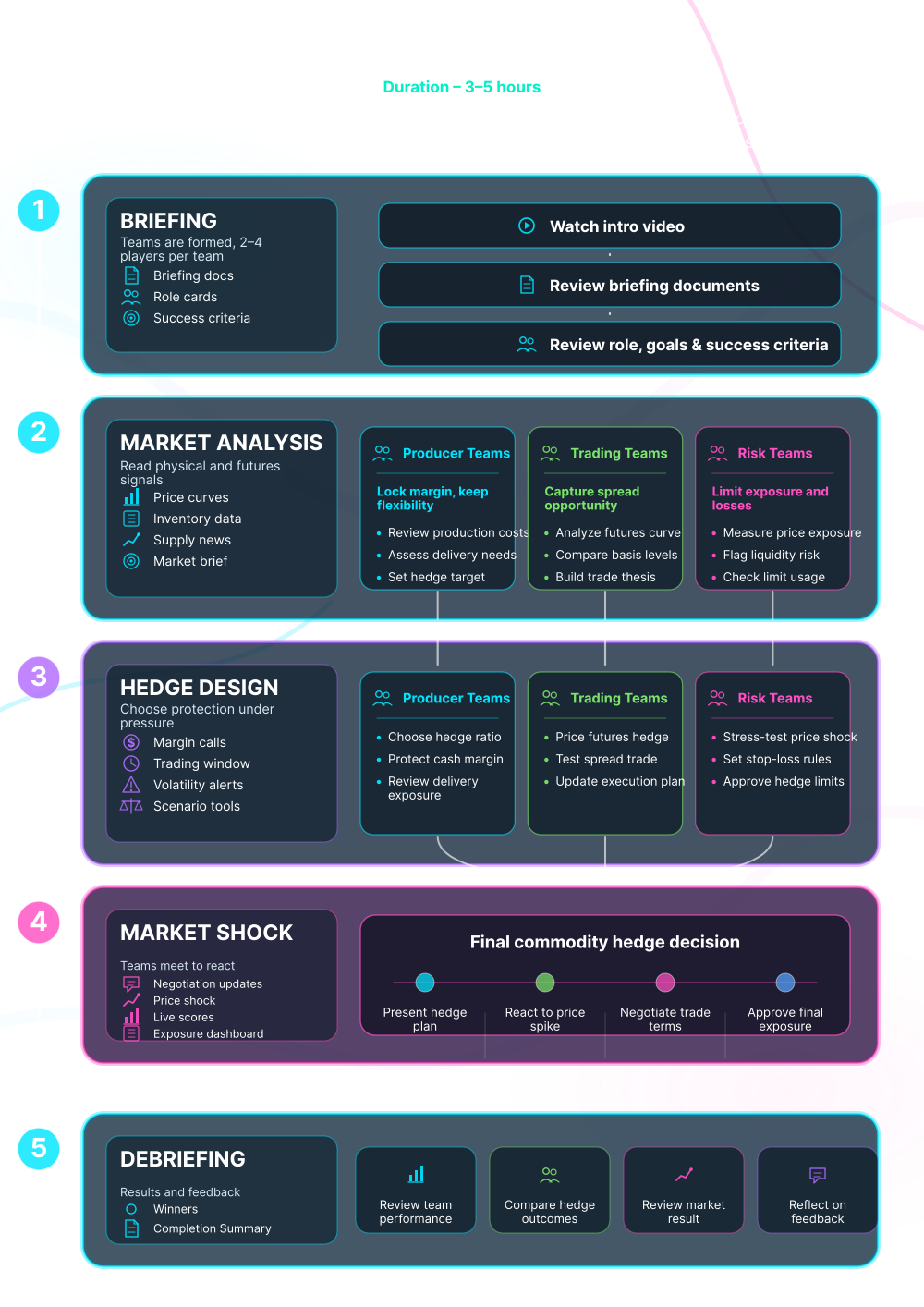

What Students Do
In this simulation, students act as commodity traders or corporate procurement managers. Over multiple rounds, they:
- Analyze market data, weather reports, and global news affecting commodity prices
- Make buying or selling decisions under supply and demand uncertainty
- Execute spot, futures, or forward contracts based on timing and strategy
- Hedge commodity exposure using derivative instruments
- Manage working capital, delivery schedules, and storage constraints
- Present portfolio performance and pricing rationale to simulated stakeholders

What Students Learn
Students experience the fast-paced, high-stakes environment of commodities trading. They learn to:
- Interpret macroeconomic and geopolitical signals that drive price volatility
- Manage physical and financial exposure in global markets
- Choose appropriate instruments to hedge or speculate on prices
- Balance operational constraints with financial strategy
- Communicate pricing decisions and portfolio results clearly and confidently
- Reflect on ethical and sustainability issues in global commodity flows

Why This Commodities Simulation Works
Commodities are unlike any other asset class - deeply physical, highly political, and intensely volatile. This simulation captures that complexity and urgency, giving students a front-row seat to the dynamics behind everyday goods and global price swings.
Rather than teaching through static charts, the simulation lets students live through decisions - adjusting for delays, weather shocks, and economic cycles in real time. It’s an excellent fit for cross-disciplinary learning, combining finance, economics, operations, and global trade.