A standard simulation runs for 6-10 decision rounds, which can be completed over a few hours in a single workshop or across multiple class sessions.

Personal Finance Simulation
Navigate the complexities of real-world financial decision-making in a risk-free environment. In the Personal Finance Simulation participants will manage their cash flow, tackle debt, invest for the future, and build wealth over time.

Personal Finance Simulation Overview
The simulation places participants in the shoes of a recent graduate starting their first job. They are faced with the financial realities that millions encounter: a starting salary, student loan debt, rent, living expenses, and the temptation of discretionary spending.
As the simulation progresses through simulated months and years, participants must make critical decisions about budgeting, saving, emergency funds, investing in stocks and ETFs, managing credit, and planning for major life events.
The dynamic market environment, with fluctuating stock prices and unexpected life events, ensures no two simulation runs are the same. Participants learn through direct experience the long-term impact of compound interest, the cost of debt, and the importance of a strategic financial plan.

Personal Finance Simulation Concepts
Participants work through realistic scenarios, which can be customized to emphasize or exclude specific topics depending on the learning goals. This modular structure allows the simulation to be tailored to any type of session. Key concepts include:
- Cash Flow Management
- Zero-Based Budgeting
- Debt Management
- Emergency Fund
- Compound Interest
- Asset Allocation & Diversification
- Risk vs. Return
- Credit Score Fundamentals
- Financial Goal Setting
- The Time Value of Money

Gameflow

What Participants Do
In the simulation, participants will:
- Create and maintain a detailed monthly budget.
- Allocate salary towards essential living costs, discretionary spending, and savings.
- Develop a strategy to pay down student loan and credit card debt.
- Build an emergency fund to handle unexpected financial shocks.
- Research and invest in a diversified portfolio of stocks and ETFs within a simulated brokerage account.
- React to randomized "Life Events" (e.g., medical bills, car repairs, job loss, salary raise).
- Monitor their simulated credit score, which is affected by their financial decisions.
- Adjust their financial plan based on market performance and personal circumstances.
- Compete or collaborate with peers to see who can build the highest net worth.

Learning Objectives
By the end of the simulation, participants will be able to:
- Construct a sustainable personal budget that aligns with their financial goals.
- Evaluate the true cost of debt and develop effective strategies to eliminate it.
- Design a simple, diversified investment portfolio appropriate for their life stage.
- Analyze the impact of compound interest on both savings and debt over time.
- Implement financial principles to build a strong personal balance sheet and increase net worth.
- Respond proactively to unexpected financial emergencies without derailing long-term goals.
- Articulate the core principles of financial literacy and their real-world application.
How the Personal Finance Simulation Works
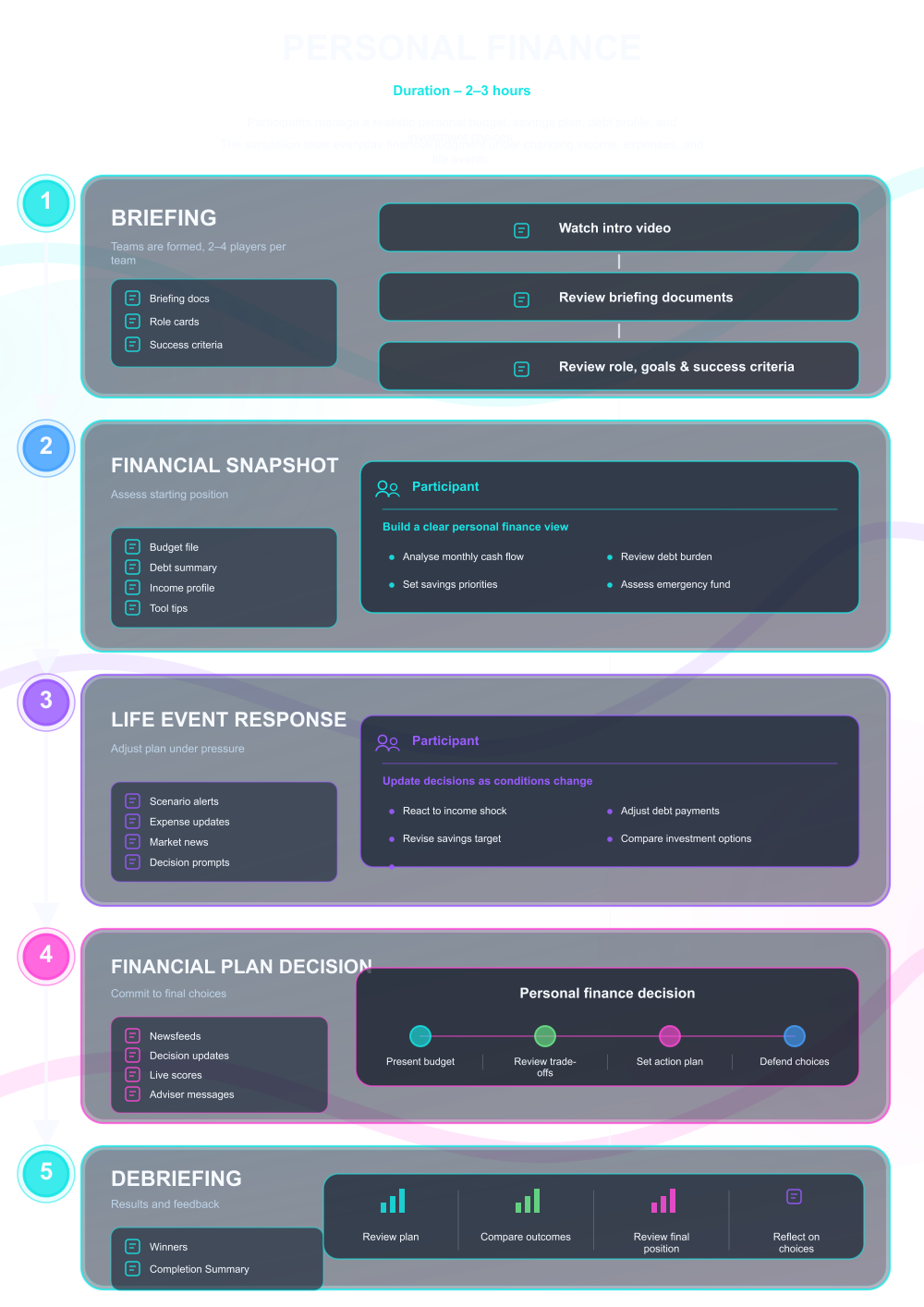
This simulation can be run individually or in teams in academic or corporate contexts. Each cycle represents a stage of getting through a pressing financial situation.
1. Receive a Scenario or Brief: Participants receive their unique financial profiles.
2. Analyse the Situation: They review the data to prepare best possible strategy.
3. Allocate personal funds: Participants input their decisions for the month: budget allocations, debt payments, and investment trades.
4. Check for results After submitting decisions, the simulation engine processes market movements, applies interest to debt and investments, and triggers random life events. Participants then see the results of their choices on their updated dashboard.
5. Review and Reflect: Feedback highlights portfolio quality, risk assessment, and clarity of narrative.
Frequently Asked Questions
Assessment
Assessment of participant performance can be tailored according to the host institution’s objectives (business school, corporate training, assessment centre). Typical assessment criteria include:
- Final Net Worth
- Credit Score Trend
- Debt-to-Income Ratio
- Emergency Fund Adequacy
- Investment Portfolio Performance and Diversity
- Strategy Memo Quality
- Debrief Participation
- Final Reflection Paper
Assessment may incorporate peer and self-review components, facilitator scoring, and debrief discussion. Results may feed into grades, executive feedback, certification or development plans.