The simulation is browser-based and requires only a stable internet connection. No specialized software is needed.

Auditing Simulation
Navigate complex financial landscapes, identify risks, and deliver assurance with confidence. The Audit Simulation transforms theoretical knowledge into practical, high-stakes professional experience.

Auditing Simulation Overview
In today's dynamic regulatory environment, auditors must be more than just number-crunchers. They are strategic advisors, risk assessors, and ethical guardians. This immersive Audit Simulation places participants in the heart of a realistic audit engagement for a multi-national company facing significant operational and financial reporting challenges.
Participants will move beyond textbook examples to grapple with ambiguous data, manage client relationships, and make critical judgments under pressure.
This simulation covers the entire audit lifecycle — from planning and risk assessment to evaluating internal controls and formulating an audit opinion. It emphasizes the application of professional skepticism, the use of data analytics, and the crucial soft skills needed to communicate findings effectively to both the audit team and client management.

Auditing Simulation Concepts
Participants work through realistic scenarios, which can be customized to emphasize or exclude specific topics depending on the learning goals. This modular structure allows the simulation to be tailored to any type of session. Key concepts include:
- Audit Planning & Risk Assessment
- Internal Control Evaluation
- Substantive Testing Procedures
- Fraud Risk Considerations
- Accounting Estimates and Fair Value
- Related Party Transactions
- Subsequent Events and Going Concern
- Audit Sampling and Data Analytics
- Professional Skepticism and Judgment
- Forming the Audit Opinion
- Ethics and Independence

Gameflow
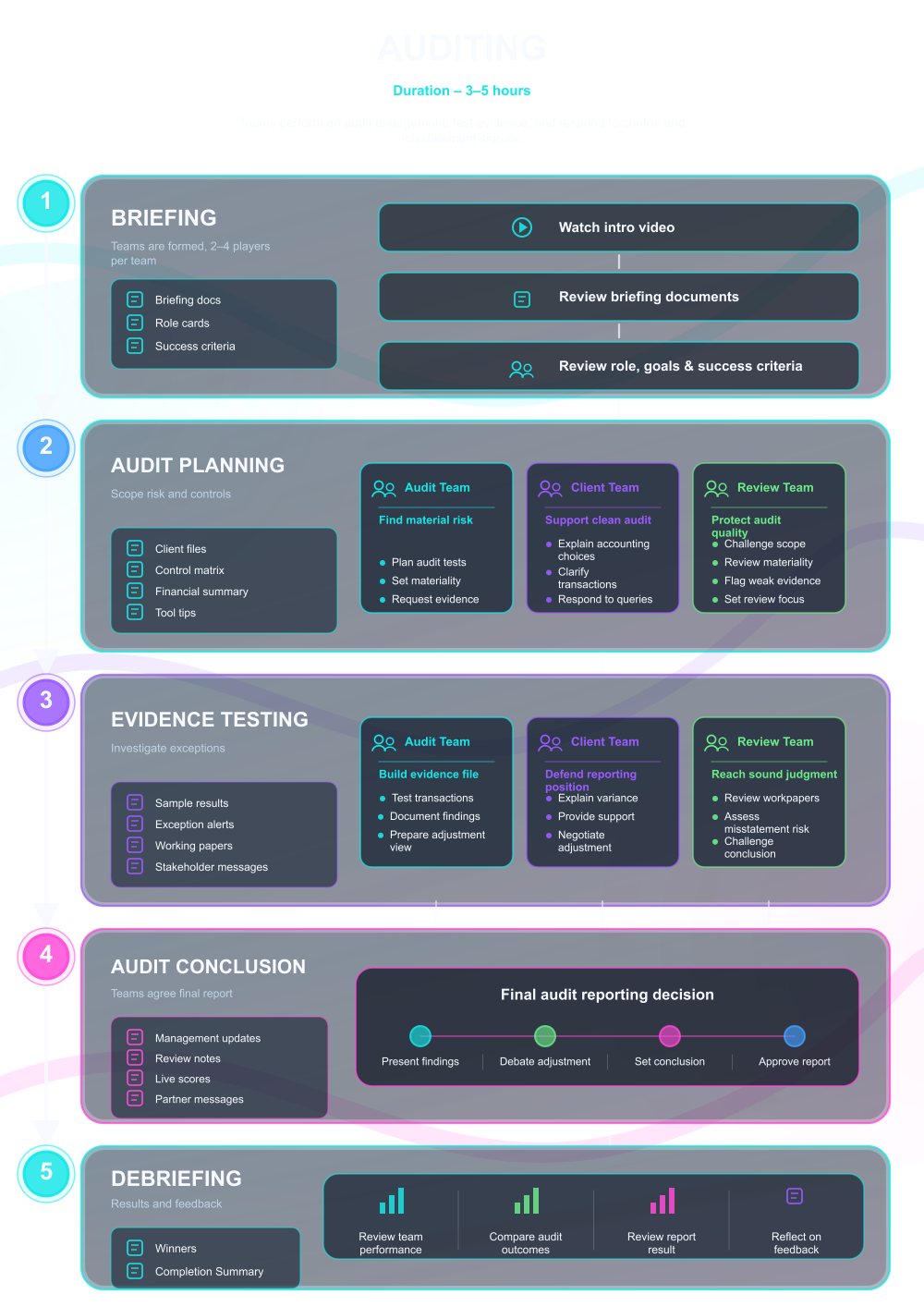

What Participants Do
In the simulation, participants will:
- Analyze a complex case company with operations across multiple jurisdictions.
- Develop a comprehensive audit strategy and detailed audit plan.
- Evaluate the design and implementation of key internal controls.
- Perform analytical procedures to identify unusual transactions and potential misstatements.
- Design and execute substantive audit procedures for high-risk areas like revenue recognition, inventory, and liabilities.
- Utilize data analytics tools to test 100% of a population for specific attributes.
- Document audit work in working papers that meet professional standards.
- Navigate ethical dilemmas and independence issues as they arise.
- Draft sections of the audit report and present findings to a mock committee.

Learning Objectives
By the end of the simulation, participants will be able to:
- Integrate the end-to-end process of a financial statement audit, from client acceptance to report issuance.
- Apply International Standards on Auditing in a practical, case-based context.
- Demonstrate professional skepticism by critically assessing audit evidence and management representations.
- Identify and assess risks of material misstatement, both at the financial statement and assertion level.
- Design and select appropriate audit procedures responsive to the assessed risks.
- Communicate complex audit issues clearly and professionally, both in writing and orally.
- Collaborate effectively within an audit team to manage tasks and meet deadlines.
How the Auditing Simulation Works
This simulation can be run individually or in teams in academic or corporate contexts. Each cycle represents a stage of getting through a pressing financial situation.
1. Case Introduction Teams receive the client's financial statements, board minutes, and background information.
2. Phased Release of Information The simulation unfolds in phases with new data, client inquiries, and unexpected events released at each stage.
3. Interactive Decision Points Teams make critical decisions at each phase, such as setting materiality, assessing control risk, and determining the nature and extent of testing.
4. Real-Time Feedback The platform provides feedback on submitted work and decisions, showing the potential consequences of their choices on audit quality and efficiency.
5. Final Deliverable Teams consolidate their findings, resolve outstanding issues, and prepare a final presentation for the mock committee, defending their audit opinion and key judgments.
Frequently Asked Questions
Assessment
Assessment of participant performance can be tailored according to the host institution’s objectives (business school, corporate training, assessment centre). Typical assessment criteria include:
- Audit Planning Memorandum and Risk Assessment
- In-Simulation Quizzes and Decisions
- Final Audit Committee Presentation and Report
- Peer Evaluation and Team Contribution
Assessment may incorporate peer and self-review components, facilitator scoring, and debrief discussion. Results may feed into grades, executive feedback, certification or development plans.