It's ideal for students in finance, business, and law, as well as professionals in compliance, audit, risk management, and leadership roles who need to understand practical integrity challenges.

Anti-Corruption Simulation
In this Anti-Corruption in Finance Simulation, participants act as compliance officers, senior managers, and internal auditors tasked with building ethical, resilient financial institutions.

Anti-Corruption Simulation Overview
Participants step into the high-stakes world of financial compliance and ethical leadership. This simulation plunges them into a dynamic, risk-laden environment where corruption threats emerge from internal processes, third-party relationships, and market pressures. Each round introduces new challenges: a whistleblower report, a suspicious transaction from a politically exposed person, pressure to meet sales targets through questionable shortcuts, or a surprise regulatory audit.
They must analyze red flags, conduct risk assessments, implement controls, and make judgment calls that affect the firm's financial performance, regulatory standing, and reputation. The simulation emphasizes practical decision-making under pressure, blending knowledge of anti-corruption laws (like the FCPA and UK Bribery Act) with real-world business acumen and ethical reasoning.
This simulation is ideal for university finance and business programs, corporate compliance training, and executive workshops. It brings the abstract principles of ethics and compliance to life, showing how integrity directly impacts sustainability, trust, and bottom-line results in the competitive financial sector.

Anti-Corruption Simulation Concepts
Participants work through realistic scenarios, which can be customized to emphasize or exclude specific topics depending on the learning goals. This modular structure allows the simulation to be tailored to any type of session. Key concepts include:
- Core anti-corruption laws and regulations
- Identifying and assessing bribery and corruption risks
- Designing and testing internal financial controls
- Third-party due diligence and risk management
- Managing gifts, hospitality, and facilitation payments
- Conducting internal investigations and handling whistleblower reports
- The role of audit trails and transparent record-keeping
- Conflicts of interest and insider trading protocols
- Cultivating an ethical corporate culture and "tone from the top"
- Communicating with regulators and managing enforcement actions

Gameflow
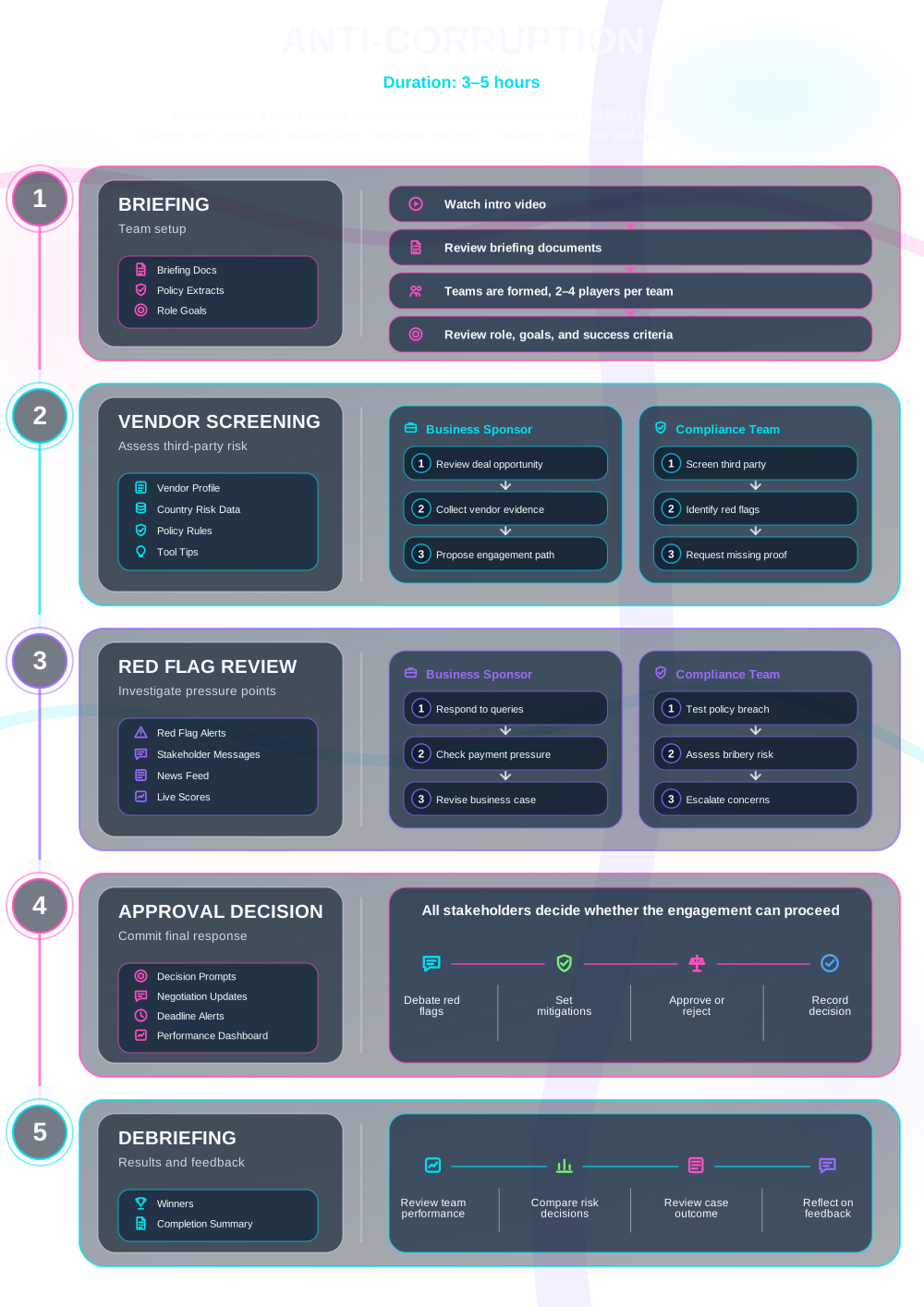

What Participants Do
In the simulation, participants will:
- Analyze transaction data and due diligence reports to spot red flags.
- Design and approve anti-corruption policies and control procedures.
- Respond to internal whistleblower alerts and allegations of misconduct.
- Negotiate with business units pushing for expedited, high-risk deals.
- Make decisions on approving or rejecting questionable payments and client relationships.
- Prepare reports and presentations for senior management and mock regulators.
- Reflect on the long-term consequences of their decisions on company culture and risk exposure.

Learning Objectives
By the end of the simulation, participants will be able to:
- Understand the key provisions of major global anti-corruption regulations.
- Identify common corruption risks within financial products, services, and client relationships.
- Apply a structured framework to assess and mitigate bribery and fraud risks.
- Evaluate the effectiveness of internal controls and compliance programs.
- Make principled decisions under commercial pressure to bypass controls.
- Develop clear communication strategies for reporting issues and advocating for ethics.
- Recognize the tangible business costs of corruption (fines, reputational damage, lost business).
- Build confidence in their role as guardians of institutional integrity.
How the Anti-Corruption Simulation Works
This simulation can be run individually or in teams in academic or corporate contexts. Each cycle represents a stage of getting through a pressing financial situation.
1. Receive a Scenario Brief Teams are introduced to their financial institution and a new challenge (a high-value deal in a high-risk country, an anonymous complaint).
** 2. Analyze the Situation** They review financial records, due diligence files, emails, and policy documents to gather facts.
3. Make Strategic Decisions Teams decide on actions: approve/block a transaction, launch an investigation, terminate a relationship, or enhance controls.
4. Collaborate and Negotiate Teams must often reconcile the differing priorities of compliance, business development, and legal departments.
5. Communicate Outcomes Participants draft investigation summaries, board memos, or regulatory responses to justify their actions.
6. Review and Reflect Instant feedback shows the consequences: regulatory fines, reputational score impact, stock price movement, or employee morale changes. Decisions in early rounds create scenarios for later rounds.
Frequently Asked Questions
Assessment
Assessment of participant performance can be tailored according to the host institution’s objectives (business school, corporate training, assessment centre). Typical assessment criteria include:
- Accuracy in identifying and prioritizing corruption risks.
- Effectiveness of chosen mitigation and control actions.
- Financial and reputational outcomes for their simulated firm.
- Clarity, thoroughness, and persuasiveness of their compliance communications.
- Collaboration and ethical leadership demonstrated in team discussions.